Smart Home Integration & Defining the ‘Prosumer’

March 28, 2025
By Blake Marchand
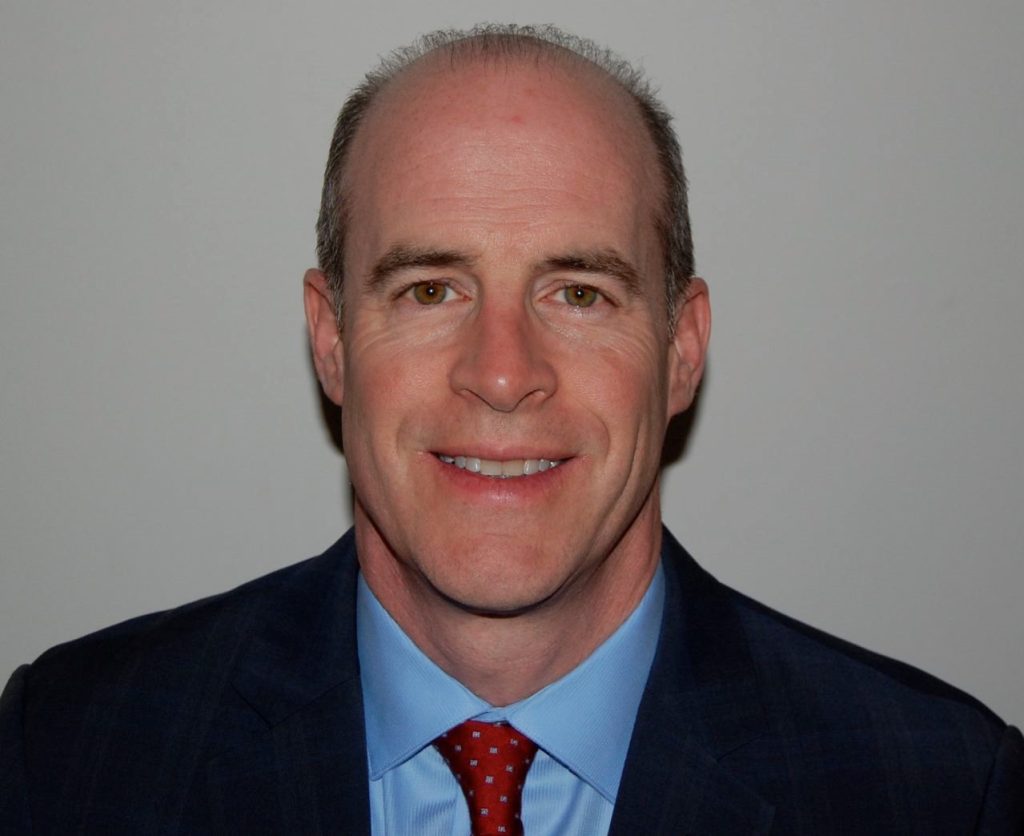
“For us, a prosumer is an active homeowner or building owner who manages and distributes their electrical load to optimize energy use in their home or business,” explains Schneider Electric’s David O’Reilly, Vice President of the Home & Commercial Solutions Division.
The prosumer is a practical example of what electrification transition looks like on a localized level. Adding solar to a home accompanied by an energy storage system, a smart panel or an energy management device creates what Schneider Electric calls a ‘prosumer’. The more homes, businesses, and buildings that can add electricity generation to their residence/business, the less strain there is on the grid. For the home/property owner, this also creates an added level of energy resilience and reliability.
New and more affordable technologies for solar, EV charging, and energy storage, lighitng control and HVAC control – as well as improving government incentives, are changing the dynamics of the typical energy consumer.
A device like Wiser Energy, for example allows you to monitor your energy consumption and manage your electrical load to make the home/business more energy efficient. Adding solar, battery storage, EV charging, and a smart panel takes that to another level.
“In the traditional model, power is centrally generated, transmitted over high-voltage lines, converted to medium voltage, and then distributed as needed within buildings.”
“We’re working on solutions – and we have many of them ready to go now – where we would see electrical load being generated at the residence, wind or solar. It would then be stored and/or distributed through a smart panel that has the battery integration included within it, along with an inverter which will allow the bidirectional flow.”
The bidirectional flow allows you to transfer power back to the electrical grid.
“Our Wiser Home Energy app is really how we control all of that.”

Wiser is two clips that connect to the electrical panel and monitor the energy load. It picks up the electrical signature of what is plugged into the outlets and is able to determine what is being used when. It also allows you to control what is on and what is off, and when. Showing you what is making up your electrical load.
Wiser can control the overall electrical load of the home when you are charging your car, for example, proactively managing the electrical load of a residence or business.
“In a lot of cases, homeowners, as an example, would have to upgrade from a 200-amp panel to a 400-amp panel, as is the case in many areas in the world. But that’s not always financially feasible, right? So, we want service upgrade avoidance for homeowners and business owners.”
“What this allows you to do is – if you’re charging your car and the dryer is on, let’s downgrade what we utilize electrically elsewhere in the home until those two devices are finished,” O’Reilly explains. “That’s the idea of being proactively involved in how you utilize and manage the electrical load in your home.”
“The app recognizes what products are plugged into where so that the user can control what’s on and what’s off throughout the home, using our smart relays and smart breakers.”
Reliability & Resiliency
When it comes to the prosumer model O’Reilly discusses, the first step is measurement – gaining visibility into your electrical consumption. Wiser can help make a home/business up to 20% more efficient.
The next step is adding electricity generation and storage to the property.
Federal and provincial governments have a role to play in this with incentives as well as harmonizing building and electrical codes. For example, in California right now, you can’t build a new home without a solar component. However, in Canada the building code is regulated by the federal government, and the electrical is regulated provincially, and in some case municipally.
“I do think that there is still some increased room for incentives and subsidies around some of these things. From a permitting perspective, they need to simplify the process,” explains O’Reilly.
“You also run into complexities with the Federal building code, which covers the envelope of the structure. This is where the solar panels would go, which must be coordinated with the electrical code that is provincially mandated. You have to have close coordination between the two levels.”
O’Reilly noted it would be a good idea for provinces to make move toward that model set out in California.
“As we electrify more and more, we’re going to need to make sure that these homes are resilient because, you know, in the event that there’s a power outage, having the ability to keep your core infrastructure running will be critical,” O’Reilly explained.
“When you have prosumer infrastructure that’s generating load in the home, managing that load in a bidirectional way, utilizing battery storage and smart panels – you’re automatically providing a level of security you didn’t have before, right? And you’re mitigating risk.”