CDm2 LIGHTWORKS: The Real Work of Value Engineering – A Collaborative Approach
June 25, 2026
Value Engineering: The Collaborative Process to Find Cost-Efficiencies without Compromising the Performance, Longevity, or Intent of the Original Design
By: Darren Luce, LC MIES, President, CDm2 LIGHTWORKS
It’s a situation most lighting designers have experienced: a project you spent months designing comes back with a request to review and accept a value engineering package. You’ve seen it time and time again, a package of substitutions with a carrot of cost savings and a deadline. There’s no true value engineering offered, only substitution and that devalues the design.
This distinction matters. Value engineering (VE) is a collaborative process to find cost efficiencies that don’t compromise the performance, longevity, or intent of the original design.
When the Context Gets Lost
The most common failure in the value engineering process is structural. Contractors weren’t part of the conversation when the owner outlined their operational requirements, or the lighting designer chose a specific downlight for its UGR rating, and its 150,000-hour life. Without that context, it’s difficult to know which elements of the specification are critical to the design intent and which ones could be considered for cost savings.
That information gap is where projects can get into trouble. A luminaire with 1,300 lumens gets swapped for another luminaire with 1,300 lumens. On paper, it’s a one-to-one switch, in reality one luminaire has a UGR of 15 and the other has a UGR of 30. One carries a credible warranty from an established manufacturer with support from local representation you can trust; the other comes with only cost savings.
The costliest outcomes happen when a substitution doesn’t surface until the product is already installed. At that point, process stalls, holdbacks are threatened, and timelines are at risk. Without early alignment, a contractor could spend months trying to VE a lighting control system, only for it to fail commissioning. They are then forced to purchase the original system a year later, at a higher price. The process that looked like savings became the most expensive path through the project.
The costliest outcomes in the value engineering process happen when a substitution doesn’t surface until the product is already installed.
Darren Luce, LC MIES, President, CDm2 LIGHTWORKS
What Real Savings Look Like
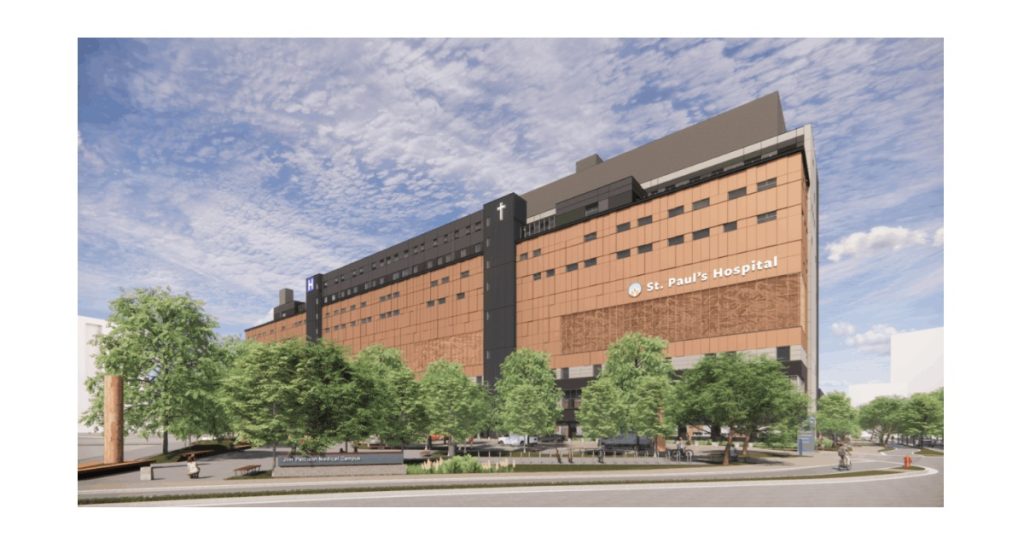
On a recent large-scale Design-Build Hospital project in Vancouver, CDm2 LIGHTWORKS worked with the project team to fine-tune the specifications of each product to economize supply costs.
They approached this cost-driven process with a keen understanding of the technically complex specifications including luminaire materials, specific components, and production considerations. Throughout, CDm2 LIGHTWORKS ensured that the distinct technical, physical, and quality requirements of the critical healthcare spaces were complied with.
Varying savings could be applied to more than 10,000 luminaires. Based on the large quantities of luminaires, even the most minor savings allowed them to put hundreds of thousands of dollars back into the project.
That’s the real work of value engineering. Not compromising specs, not accepting substitutions that fall short in ways nobody flagged. It’s going deep into the design, understanding what matters, and presenting options that hold up under scrutiny.
This is what CDm2 LIGHTWORKS means by alignment versus compromise. The design intent stays intact. The project is within budget. And everyone can stand behind the result.
The Spec Is Only as Strong as Who’s Behind It
For a rep to do this well, they are already in conversation before the value engineering request comes in. That means understanding the designer’s original intent, why each product was specified, and having the technical depth to evaluate alternatives against multiple criteria at once: not just lumens but optical performance, UGR, life rating, colour performance, and more.
It also means being transparent. Some stakeholders hold back, thinking this will protect them from being undercut. But the reality is substitutions are happening anyway, through packages with no line-item visibility. Transparency gives the specifier the information to evaluate value engineering proposals across all factors.
Contractors who understand what they’re installing become advocates for it. Early in my career I watched a contractor call out a lighting specification as “over-designed, you don’t need that” in front of the entire project team. Afterwards, I pulled them aside, and the truth came out: they did not understand how to install what had been specified. Once we walked through it together, their position shifted.
When contractors are brought into the technical conversations early, they install with confidence, and advocate for design in the field. The rep’s role isn’t just to bridge between the designer and contractor. It’s to make sure everyone in the room is working from the same understanding.
Is Your Rep Still in the Room?
The value of the design decision you made six months ago only holds if someone is in the room when changes are being made. You need someone who understands the project’s goals and design intent and has credibility with both sides to hold the line where it matters.
Lighting and controls are a critical part of the project’s infrastructure. The decisions made during design, procurement and construction affect energy costs, maintenance cycles, and occupant well-being for years. The cost of the luminaire is one variable. The long-term installed quality and performance of your design is the goal. A strong rep partner can help you communicate that in a way that aligns with the construction team’s need to deliver a successful project in the best interests of your client.
The goal of every project should be the same for everyone involved: design intent delivered within budget, and an outcome everyone can be proud of. That can only happen when there’s genuine trust between the designer, the rep, the distributor, the contractor, and the owner.
Projects that go well are the ones where nobody’s profit depends on somebody else taking a loss, where the savings are real and flow through to everyone, and where the people who did the work can say “That’s what we set out to build.” Transparency and respect aren’t soft ideals in this business. They are how successful projects are realized.
For more information on CDm2 LIGHTWORKS solutions HERE
View original LinkedIn post HERE

Value Engineer Value Engineer