LEDVANCE: ETL vs. UL – What Is the Difference?
June 30, 2026
ETL vs. UL – What Is the Difference Between Safety Certification Marks?
Have you ever noticed a small mark on some electrical appliances or electronic products that reads “UL” or “ETL”? In fact, they are safety certification marks, meaning that the product has passed the tests of professional institutions and is more reassuring to use, especially in North American markets.
Want to know exactly what the differences are between ETL and UL? Please keep reading!
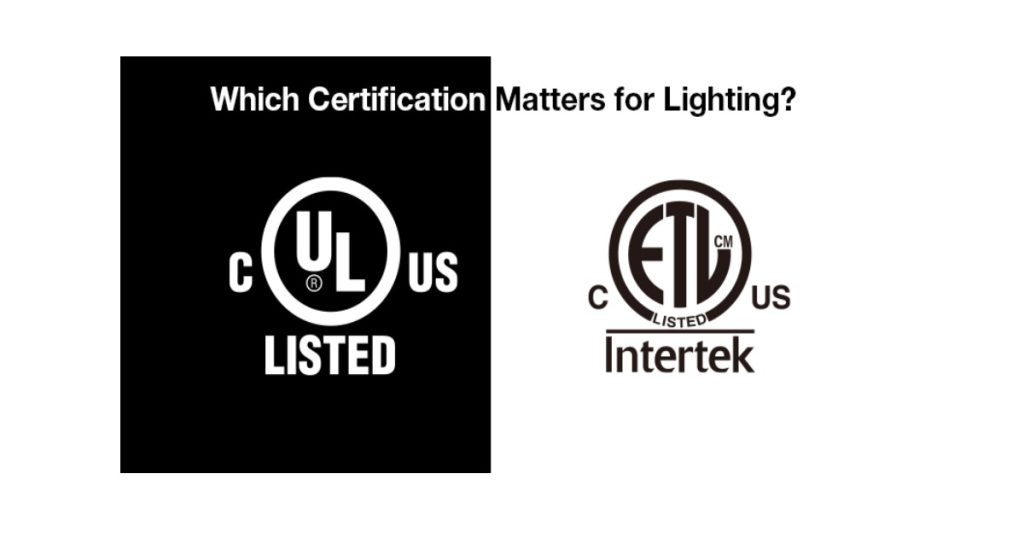
What Is UL Certification?
UL is the abbreviation for Underwriters Laboratories in the United States. It is a globally renowned safety testing and certification organization, with its headquarters located in the United States. UL certification is mainly used to prove that a product complies with the safety standards of the North American market. UL listed enjoys a high recognition in the markets of the United States and Canada. Common UL marks include “UL Listed” and “UL Recognized”. It is applicable to products such as household appliances, industrial equipment, wires and cables, lamps, batteries, etc.
What Is ETL Certification?
ETL is a certification service provided by Intertek, which originated from the electrical testing laboratory founded by Thomas Edison. ETL certification is also a safety certification recognized in the North American market and has similar legal effect to UL. Generally, the certification cycle is shorter than that of UL, and the cost may also be lower.
Similarities Between ETL & UL
Both ETL and UL are recognized by OSHA (Occupational Safety and Health Administration) as Nationally Recognized Testing Laboratories (NRTLs), which means they are both authorized to test and certify products against the same U.S. safety standards. Products with either mark can typically be sold, installed, and used without issue.
Differences Between ETL & UL
Although both UL and ETL are lighting safety certification marks recognized in the North American market, there are still some key differences between them.
UL is an institution that sets its own standards and conducts tests, enjoying a high level of brand authority. ETL is a third-party certification body that tests products using standards developed by other organizations (such as UL), but its certification process is more flexible and less costly.
UL tests in-house, which can sometimes mean longer wait times and higher costs. ETL often outsources parts of its testing and can therefore provide quicker turnaround.
While regulators accept both, certain buyers may explicitly request UL certification because of its reputation, even though ETL is just as valid.
Conclusion
If you are considering exporting products to the North American market, UL or ETL certification is a very important safety and compliance step. For manufacturers, the decision often depends on customer expectations, time-to-market goals, and budget considerations. For distributors, contractors, and end-users, the most important takeaway is that a certified product, whether ETL or UL, meets the same rigorous standards and is considered equally safe and compliant.
In other words, don’t get caught up in the logo. Instead, focus on whether the product carries any legitimate NRTL certification mark. That mark is your assurance that the product has been independently tested, approved, and is ready for safe use in the field.
For more information on Ledvance lighting solutions HERE

ETL vs. UL ETL vs. UL ETL vs. UL ETL vs. UL ETL vs. UL ETL vs. UL