National Strategy for the Safe and Environmentally Sound Disposal of lamps Containing Mercury Given Royal Assent
Mercury Containing Lamps


June 26, 2017

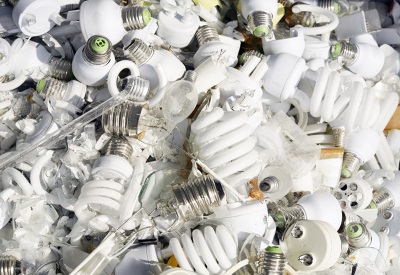
Canada is committed to protecting the environment and safeguarding the health of Canadians from toxic substances. Mercury remains a risk to Canadian ecosystems and human health which is why the Government of Canada is taking action to address public concerns about the disposal of lamps containing mercury.

The Minister of Environment and Climate Change, Catherine McKenna, was pleased to see Bill C-238 receive Royal Assent in the Senate. This Private Member’s Bill was put forward by the Member of Parliament for Dartmouth—Cole Harbour, Darren Fisher, and it requires the Minister to work with provincial and territorial governments to develop a National Strategy to ensure that lamps containing mercury are safely disposed of. This work will be done in consultation with Indigenous Peoples, environmental groups, and industry and will build on efforts by other jurisdictions and industry that are already underway.

In February 2017, the Government published a voluntary Code of Practice designed to encourage retailers, transporters, and recyclers to incorporate best practices in their management of end-of-life mercury-containing lamps, to prevent the release of mercury into the environment.

The Code also supports the objectives of the Minamata Convention, a global treaty to protect human health and the environment from the adverse effects of mercury, which was ratified by Canada on April 7, 2017. 

“Our Government is unwavering in its commitment to safeguard the environment and the health of Canadians from the effects of mercury. We will work closely with all interested groups in developing a National Strategy, building on efforts that are already underway.”

– Catherine McKenna, Minister of Environment and Climate Change
Related Articles


Changing Scene


Design

  • Zaneen: Answering Your LED Questions

    Zaneen: Answering Your LED Questions

    The Zaneen team wanted to take a moment to tell you more about Light Emitting Diodes (LEDs) by answering some common questions. They begin by defining what a LED means and describe a few of its technical details and then look into the importance of LED technology, the advantages of using LEDs, and some must-know… Read More…

  • Lumenpulse: A Look at the Past & Future of LED Binning

    Lumenpulse: A Look at the Past & Future of LED Binning

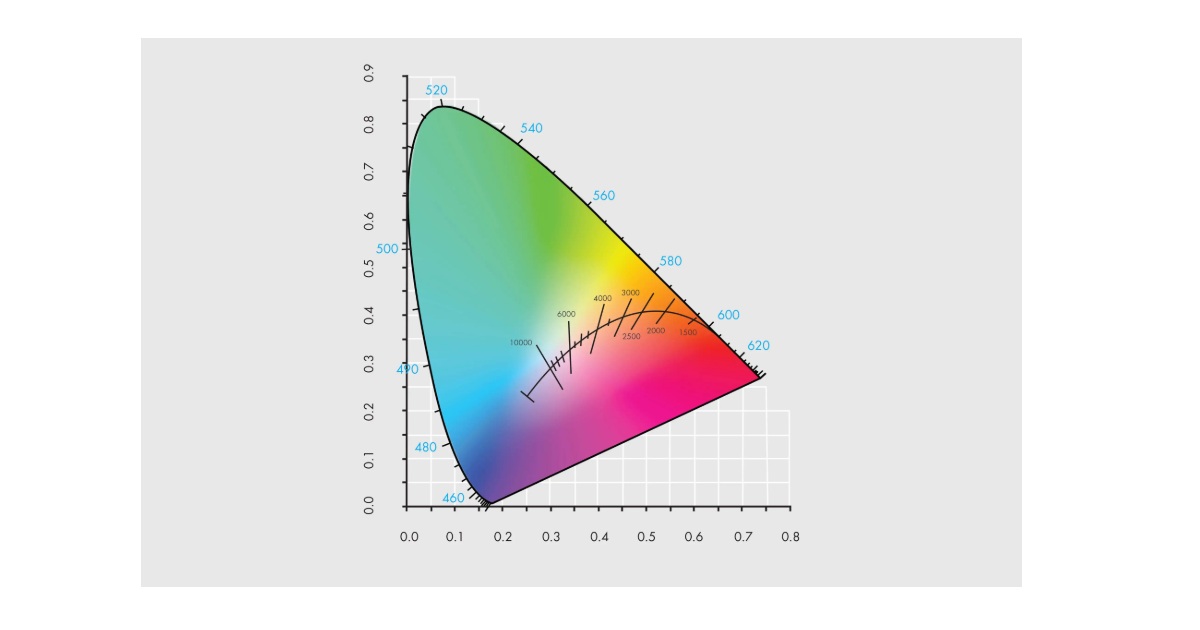
    In the lighting industry, the act of “binning” of LEDs is the process of sorting LEDs by certain characteristics, such as colour, voltage, and brightness. The ANSI standard C78.377-2017 provides the dimensions and coordinates of the bins that are currently used to standardize the colour points of all white light LEDs. These dimensions are calculated… Read More…


New Products

  • Salex: Axis Lighting Polyvalence – Light Is Architecture

    Salex: Axis Lighting Polyvalence – Light Is Architecture

    Meet Polyvalence, Axis Lighting’s newest innovation. A versatile architectural lighting system designed to push the boundaries of creativity, performance, and design flexibility. Mix. Match. Combine. Multiple optics, direct and indirect illumination, and endless configurations- all within one cohesive system. Read More…

  • Liteline: New ORBIT MULTI 4″ Retrofit Downlight

    Liteline: New ORBIT MULTI 4″ Retrofit Downlight

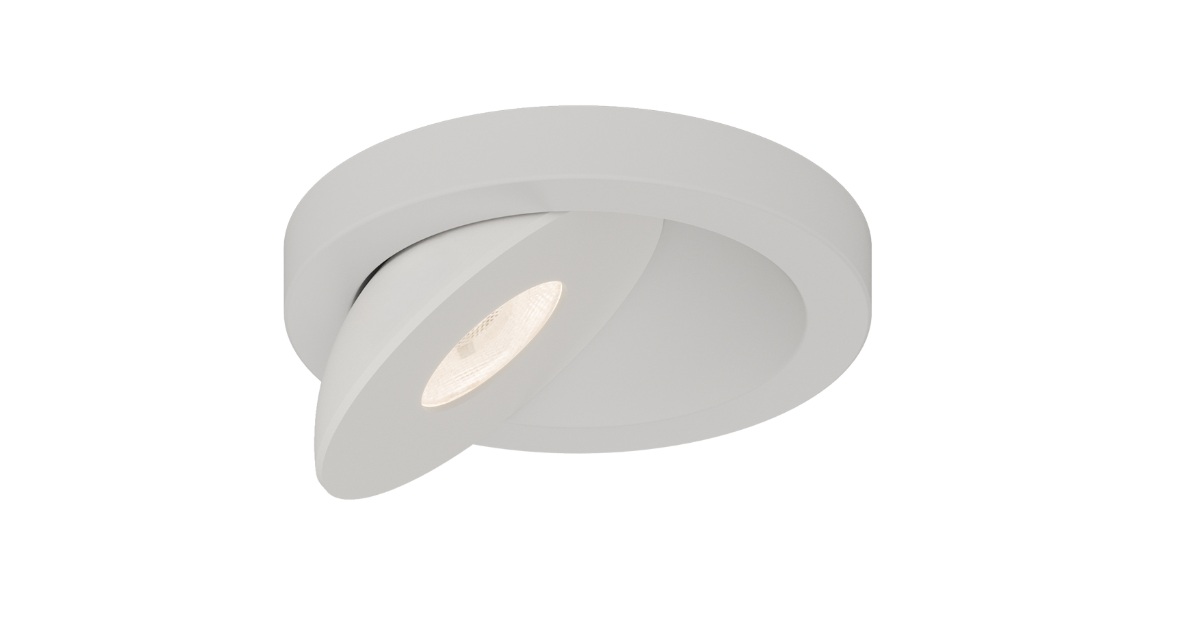
    With full 360° rotation and 50° of tilt, the ORBIT MULTI 4″ retrofit downlight puts light exactly where you want it, even on sloped ceilings. Up to 815 lumens of adjustable output makes it a natural fit for angling onto artwork, highlighting architectural features, or directing task light into a specific corner of a room.… Read More…