Uplighting vs. Downlighting: Which One is the Right Option?
October 24, 2024
Creating the perfect ambiance in your home or outdoor area requires understanding the different lighting techniques available. Two of the most effective methods are uplighting and downlighting. This guide will help you understand what each technique involves, how they differ, and how to use them to enhance your space.
What is Uplighting?
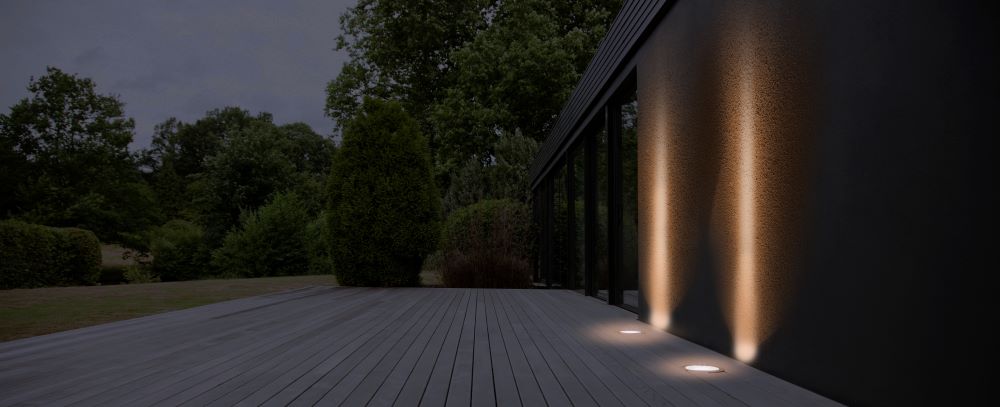
Uplighting is a technique where light fixtures direct light upwards. This method highlights architectural features, trees, and walls by casting light from below. Uplighting creates a warm and inviting atmosphere, making spaces feel larger and more dramatic. It’s commonly used in landscaping to accentuate the beauty of plants and structures and indoors to highlight art pieces or architectural details.
What is Downlighting?
Downlighting refers to fixtures that cast light downwards, focusing illumination on a particular area. This method is essential for tasks that require clear, direct light, such as cooking, reading, or working. Downlighting fixtures include recessed lights, pendant lights, and track lighting, which offer flexibility in directing light exactly where it’s needed.
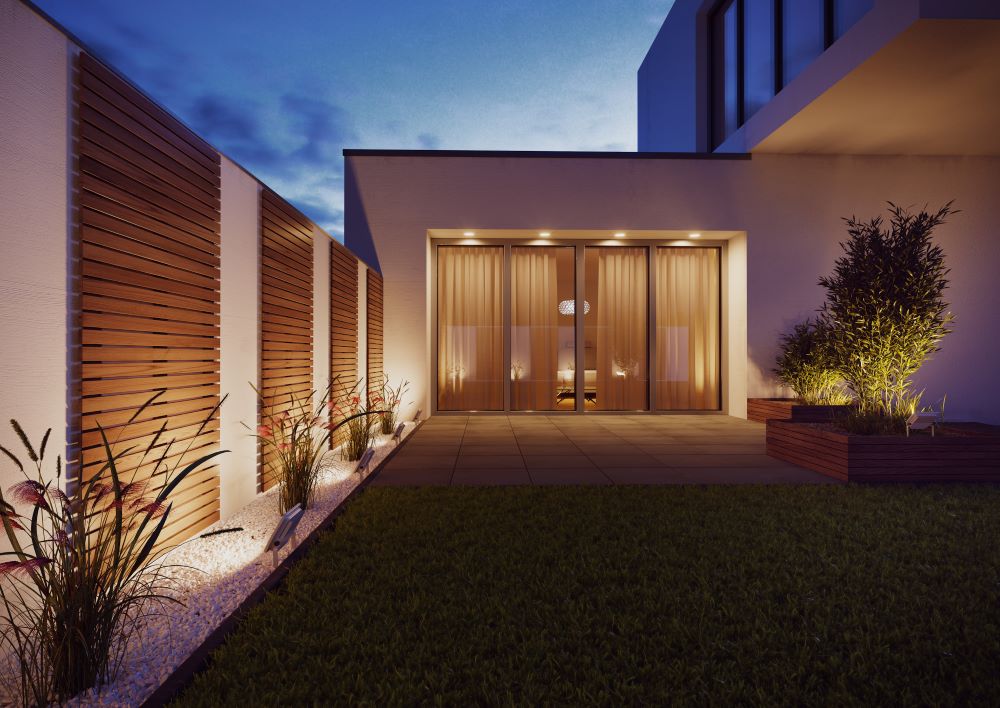
Uplighting vs. Downlighting: Understanding the Differences
Uplighting involves positioning lights at ground level and aiming them upwards. This creates a soft, indirect glow that enhances vertical elements such as trees, columns, and architectural features. The upward light adds depth to the space, minimizing harsh shadows and providing an inviting ambiance. This technique is perfect for creating a dramatic effect in gardens, highlighting beautiful structures, and adding a sense of security by illuminating windows and doors.
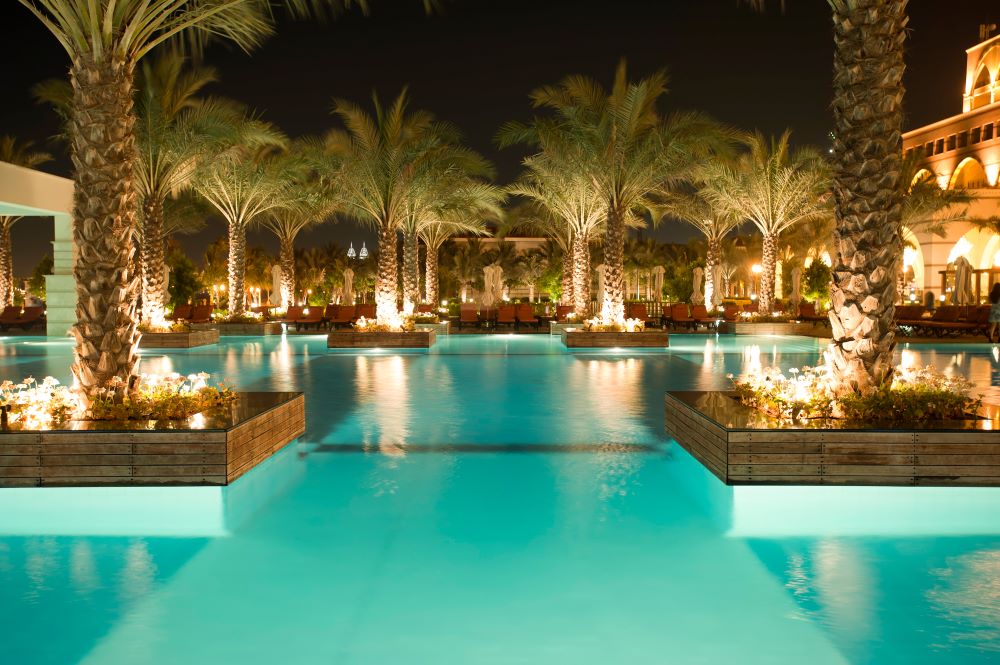
In contrast, downlighting directs light downwards, focusing illumination on specific areas. This method offers focused, practical light ideal for tasks such as reading, cooking, or working. Downlighting creates defined shadows and is perfect for highlighting pathways, driveways, and patios. Often referred to as “moonlighting,” downlighting can mimic the natural effect of moonlight, casting a subtle and attractive light over outdoor spaces. It is a great way to ensure safe navigation around your property while maintaining an aesthetically pleasing look.
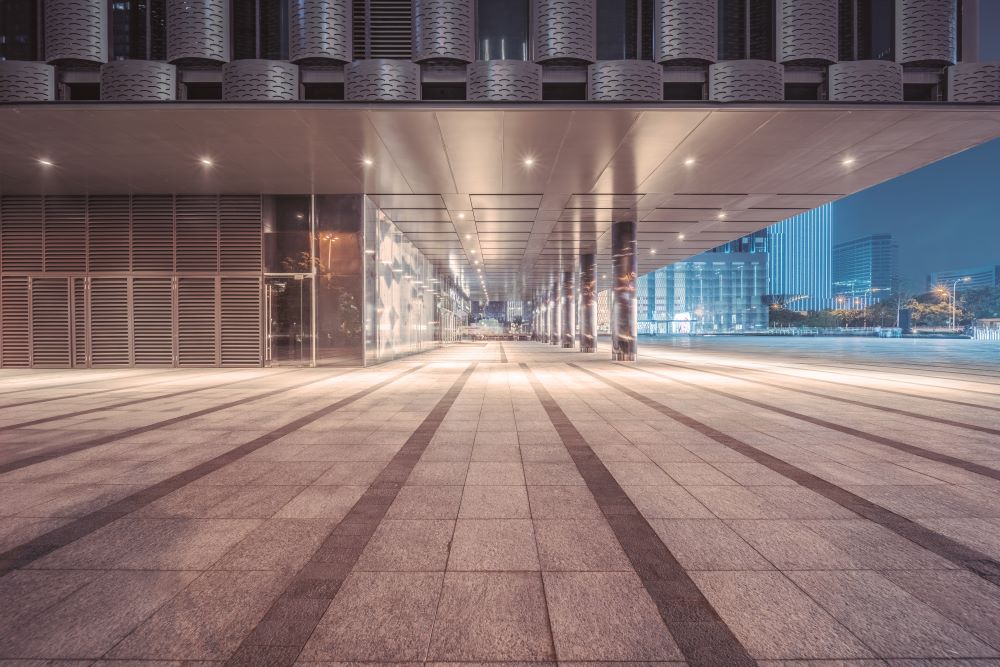
Use LEDVANCE Lighting Layout Tool to Help You Decide
Want to see how many luminaires or retrofit kits you need for an application? Would you like a bird’s eye view of the distribution? You can use the lighting layout tool to adjust desired foot-candles, reflectances, room size, downlighting or uplighting, and more to upgrade an application or build a new space with the right product and maximize energy savings.
Whether you’re planning to use uplighting to create a dramatic effect or downlighting for focused, task-oriented illumination, LEDVANCE Lighting Layout Tool can help you achieve the perfect balance. It ensures that your lighting design not only looks great but also functions efficiently, providing you with the ideal lighting solution for any space.
Conclusion
Choosing between uplighting and downlighting depends on your specific lighting needs and the atmosphere you want to create. Uplighting adds drama and elegance by highlighting features from below, while downlighting offers practical and focused illumination for tasks. By combining both techniques, you can create a well-balanced and visually appealing lighting scheme that enhances both the functionality and beauty of your space.