New California Standards Require Lighting Upgrades
May 17, 2018
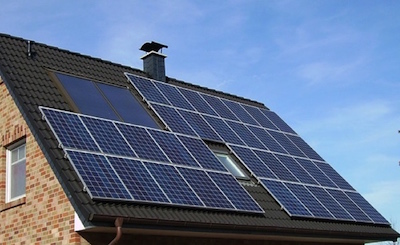
Under new standards that will take effect January 1, 2020, nonresidential buildings will use about 30% less energy due mainly to lighting upgrades. The building standards also aim to cut energy use in new homes by more than 50%. New homes will require solar photovoltaic systems.
For residential homeowners, based on a 30-year mortgage, the Energy Commission estimates that the standards will add about US$40 to an average monthly payment, but save consumers US$80 on monthly heating, cooling and lighting bills.
the building energy efficiency standards will reduce greenhouse gas emissions by an amount equivalent to taking 115,000 fossil fuel cars off the road.
Put forward by the California Energy Commission, the cost-effective 2019 Building Energy Efficiency Standards focus on four key areas:
- smart residential photovoltaic systems
- updated thermal envelope standards (preventing heat transfer from the interior to exterior and vice versa)
- residential and nonresidential ventilation requirements
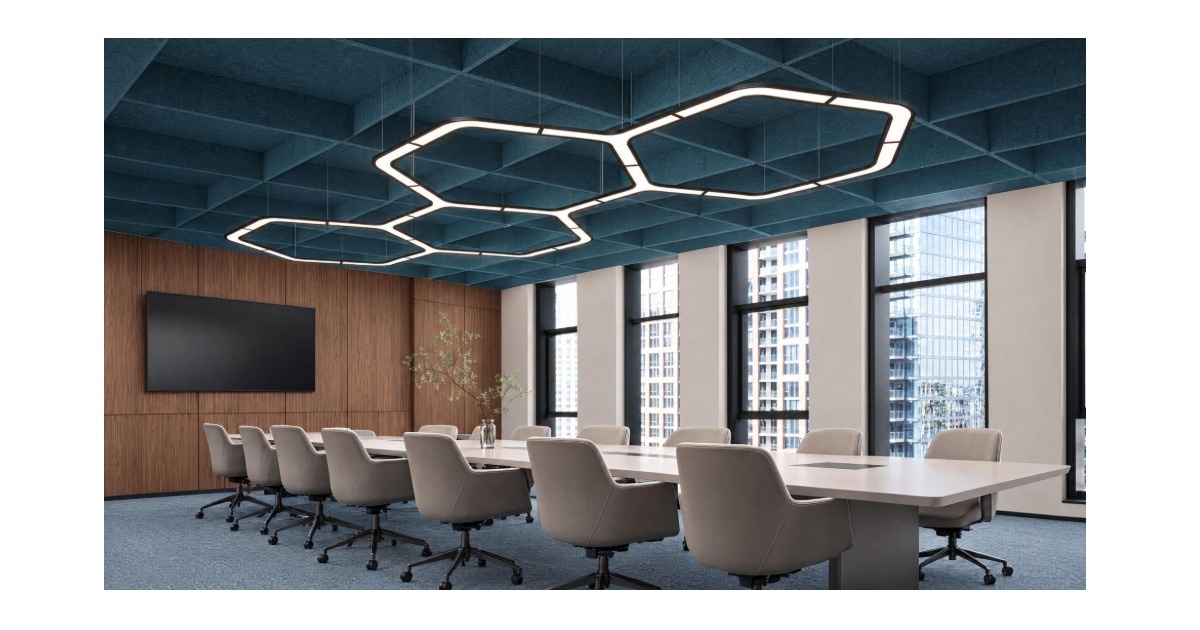
- nonresidential lighting requirements.
The ventilation measures improve indoor air quality, protecting homeowners from air pollution originating from outdoor and indoor sources. For the first time, the standards also establish requirements for newly constructed healthcare facilities.
“Under these new standards, buildings will perform better than ever. At the same time they contribute to a reliable grid,” says Commissioner Andrew McAllister, who is the Energy Commission’s lead on energy efficiency. “The buildings that Californians buy and live in will operate very efficiently while generating their own clean energy. They will cost less to operate, have healthy indoor air, and provide a platform for smart technologies that will propel the state even further down the road to a low emissions future.”
“With this adoption, the California Energy Commission has struck a fair balance between reducing greenhouse gas emissions while simultaneously limiting increased construction costs,” says California Building Industry Association CEO and President Dan Dunmoyer. “We thank the commissioners and their staff for working with the building industry during the past 18 months and adopting a set of cost-effective standards that ensures homebuyers will recoup their money over the life of the dwelling.”
Photo source: Pixabay