LESA Center Receives Department of Energy Grant to Create Cost-Saving Technology

March 3, 2020
Designing more efficient buildings could significantly decrease the nation’s energy consumption. In 2018 alone, homes and businesses consumed about 40% of the energy used in the United States.
The U.S. Department of Energy is investing $74 million dollars in research to develop and test technologies and construction practices that will help “improve the energy performance of the nation’s buildings and electric grid.” The Lighting Enabled Systems & Applications (LESA) Center, housed at Rensselaer Polytechnic Institute, will receive more than $2.8 million as part of this nationwide effort.
The grant will support researchers at LESA as they develop hardware and software for a system that will be able to sense its surroundings and automatically tune lighting based on factors such as time of day, how many people are in the building or room, and what’s most energy efficient.
“It is projected that with an occupancy centric control-based dynamic light sculpting system, like the one we are developing, higher quality lighting can be provided while reducing lighting energy costs by about 50%,” said Robert Karlicek, the director of LESA.
In this multidisciplinary public-private partnership, LESA researchers will work with the Center for Architecture Science and Ecology (CASE) at Rensselaer, LESA industry member Lumileds LLC, and architectural design firm HKS Inc. to develop and test this new platform.
The system will rely heavily on new, privacy-preserving sensors developed by LESA that can detect when people are in the building and where they are in a specific room. That data, combined with information about the building’s design and the outside environment, will guide the overall platform as it autonomously estimates what type of lighting is needed.
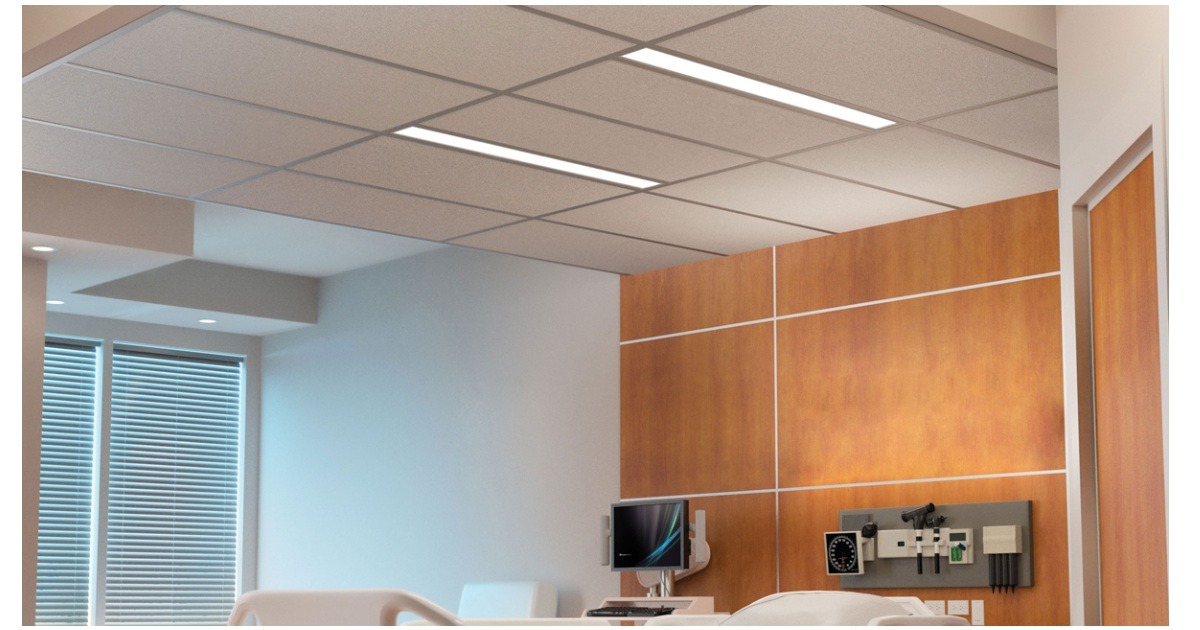
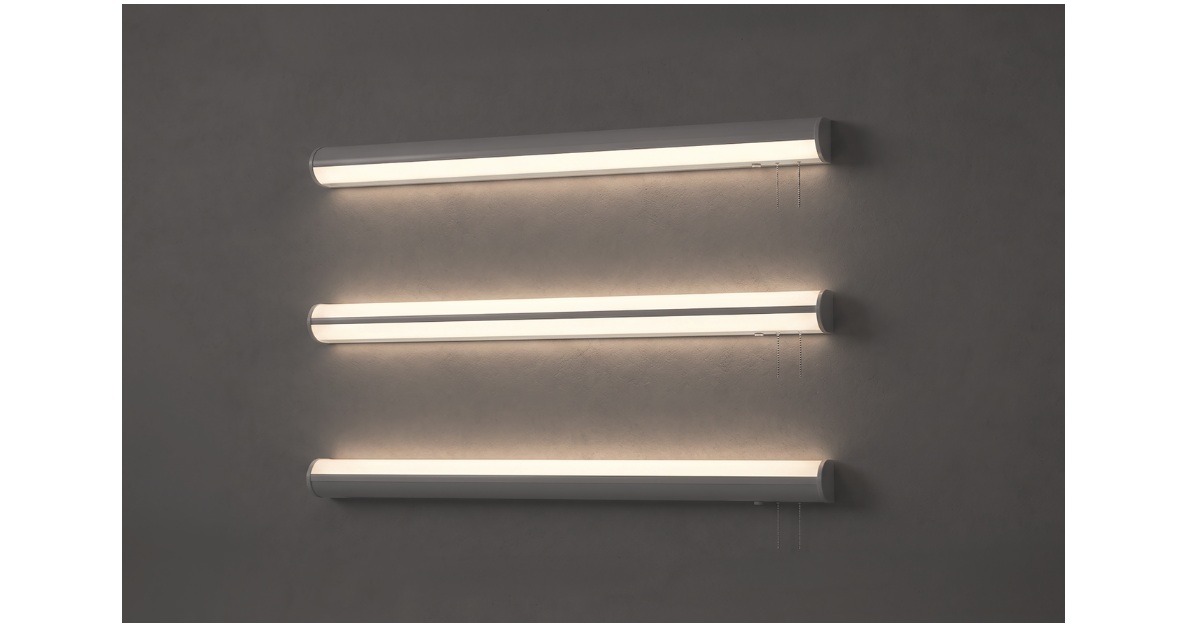
A new adaptive lighting system will be designed by Lumileds and LESA that will feature novel “light shaping” capabilities that can electronically control the lighting spectrum, illuminance, and direction of light delivery based on input from the occupancy sensing system. Luminaires with this capability will autonomously deliver lighting where and when it is needed for optimal human performance and energy savings.
This type of innovative building research can also provide powerful tools for building designers, who will now be able to electronically control lighting distributions in the built environment with a new degree of flexibility never before possible. This has the potential to transform the spaces where people live and work by dynamically adapting lighting patterns to human activity, improving circadian health and productivity, reducing glare conditions on televisions and computer screens, and increasing efficiency by delivering the right kind of light where it is needed.