IALD and LIRC Release New Pilot Edition of “Guidelines for Specification Integrity”
November 6, 2017

The 2017 pilot edition is designed to help address a perennial challenge in the process of creating the built environment: how to ensure that what is designed is what is built.

While there is no substitute for the grit and determination of a designer who is defending a design, these materials comprise a set of tools for use by designers of all experience levels. The checklists, tips, and references in the pilot edition include a variety of methods and techniques to protect specifications. In addition, the materials include a section outlining the major phases of a construction project, threats to specifications that are likely to be found at each phase, and recommended steps to address these threats.

“Specification Integrity” refers to the importance of maintaining the lighting designer’s original specification throughout the process of establishing a final project budget, retaining contractors and suppliers, and completing construction. A strong specification helps ensure that the finished project realizes the original intent of the design. Whether designers need to review the basics or are seeking more depth in the topic, IALD and LIRC recommend using the references linked throughout the guidelines as need dictates.

To make the document as easy to use as possible, the guidelines are offered as an online, downloadable publication with internal links and references: http://www.iald.org/Lighting-Industry-Resource-Council/Programs-and-Initiatives/Guidelines-for-Specification-Integrity. Moreover, IALD and the LIRC intend the materials to evolve and improve over time. The pilot edition is a starting point for “crowdsourcing” improvements to the document: as you read, please share any additional checklists, examples, stories, or suggestions from your practice. Send ideas and submissions for additions to IALD Public Policy consultant John Martin at john@iald.org.

Related Articles


Changing Scene


Design

  • Stanpro: Guide 101 to Programmable Lighting

    Stanpro: Guide 101 to Programmable Lighting

    Programmable lighting consists of programmable tri-level fixtures with an integrated motion sensor. This type of solution is specifically designed to prevent dissipation of energy in spaces and applications where continuous lighting is the rule. Moreover, programmable lighting is recommended by Hydro-Québec as a tip to adopt good consumption habits. This form of lighting allows the… Read More…

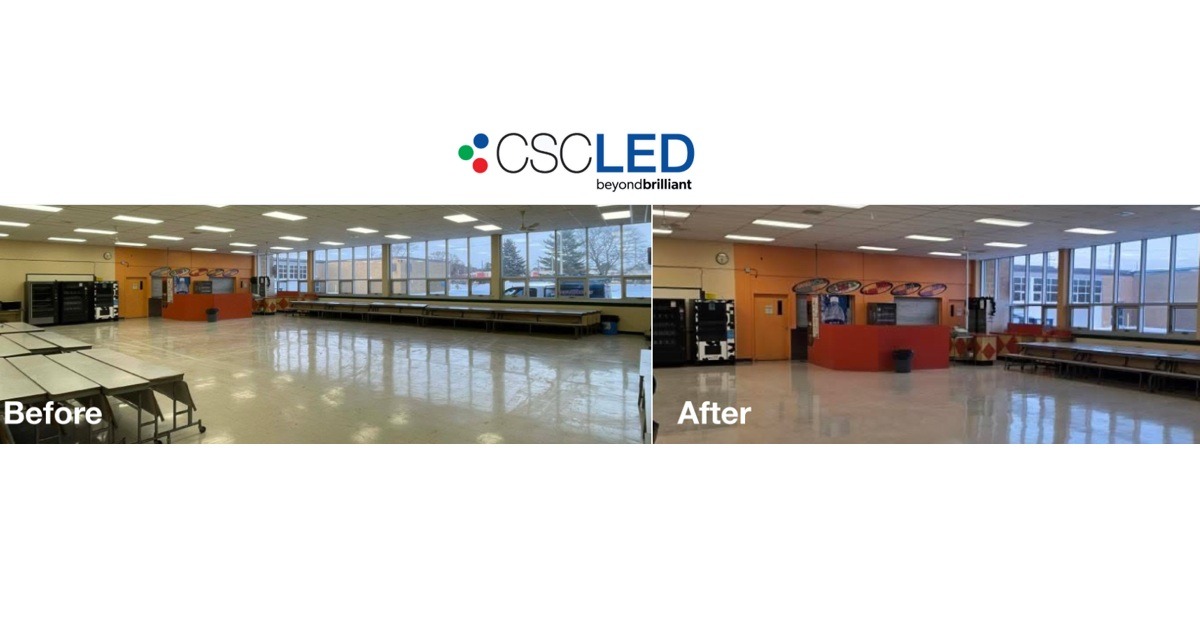
  • CSC LED: Spotted On-Site – Brantford School Lighting Upgrade

    CSC LED: Spotted On-Site – Brantford School Lighting Upgrade

    Upgrading lighting in educational spaces isn’t just about energy savings — it’s about creating environments where students and staff can see clearly, feel comfortable, and stay focused throughout the day. Recently in Brantford, ON, a local school refreshed both its cafeteria and hallways by replacing dim, green-tinted legacy fixtures with CSC LED flat panels. The… Read More…


New Products

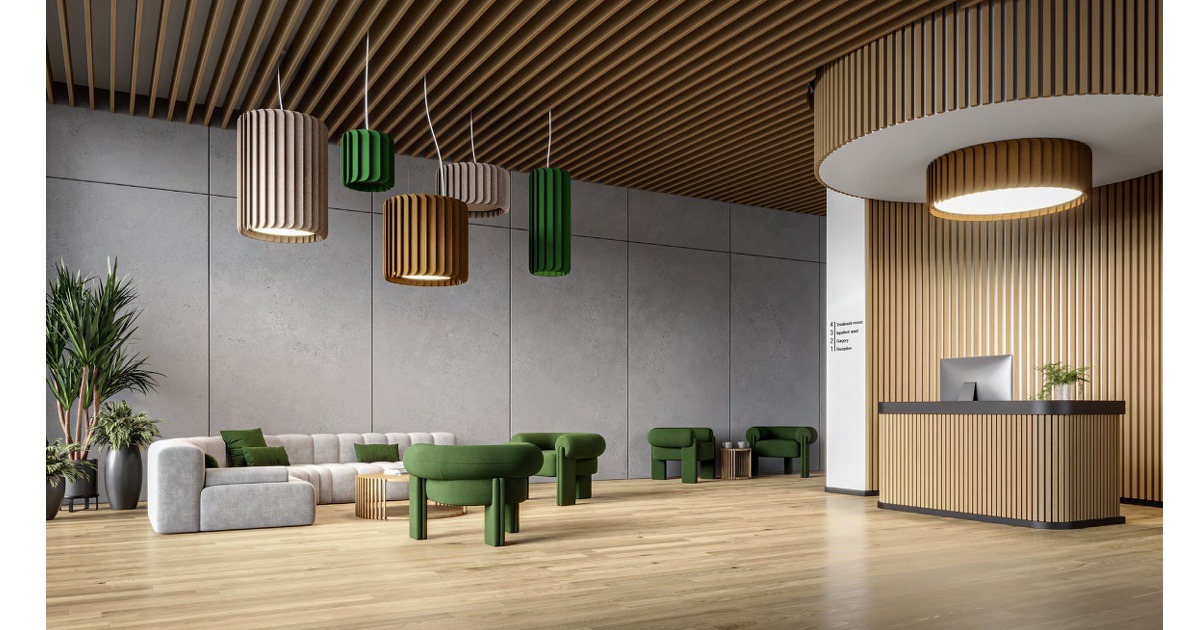
  • Eureka: Mill Acoustic Suspended Ceiling Luminaires

    Eureka: Mill Acoustic Suspended Ceiling Luminaires

    Absorb noise in common and public areas with Mill Acoustic Luminaires, for an original soft aesthetic and atmosphere enhancing functionality. With multiple sizes, colors and mounting options, optional uplight as well as an unlit version, Mill will help with volume control while adding a stunning design element to the decor. Read More…

  • SATCO|NUVO: LED Washdown Round High Bays – IP69K | Field Selectable

    SATCO|NUVO: LED Washdown Round High Bays – IP69K | Field Selectable

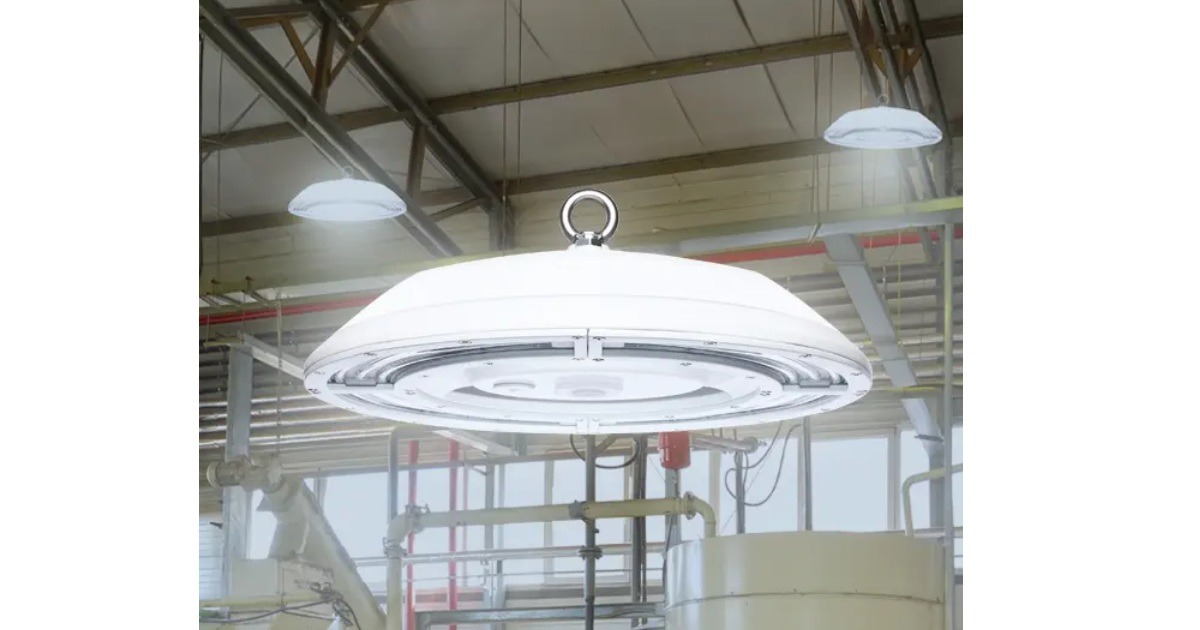
    SATCO|NUVO’s IP69K Rated LED UFO High Bays are engineered for demanding industrial and hygienic environments where fixtures must withstand high-pressure, high-temperature wash-down procedures. NSF approved and built for food processing, agricultural, and other sanitation-sensitive applications, these fixtures combine rugged durability with field-selectable performance. Wattage selectability (200W/150W/100W) and CCT selectability (4000K/5000K) allow light levels and color… Read More…