Plug-and-Play LED Lamps: Notes from the Field
Jan 11 2016
Jim Colantoni
For almost three years now, I’ve been selling and working on projects with plug-and-play LED Lamps, from the very first TLEDs (T8 LED Lamps) that were released — to Lunera Lighting’s own Helen lamps. When I first started in the plug-and-play world with the Helen lamp, I worked for an independent lighting agency, which meant I was selling a variety of products at the time.
I’ve been through all of the early challenges that we (Lunera) have experienced, including obstacles that many new entrants are just now experiencing on their first pass: incompatibilities with ballasts, form factor issues, light output constraints, and even dramatic lamp failures. I’m going to dive into what I’ve seen and heard the most over the past two years in this plug-and-play LED industry.
How to think about plug-and-play vs. more labour extensive LED solutions
The most common question I get from a distributor or contractor is, “What about when the ballast goes bad?” This is a very fair question. My typical response is the ballast will go bad eventually. When it does, 2, 4, or even 15 years down the road, change the ballast like you typically would. One factor people tend to overlook is the commoditizing of ballast products over the years and the standard specs that are in place allow for reasonably priced, local stock for ballast change-outs in most electronic fluorescent and magnetic HID applications.
Equally important to remember is that all LED line voltage lamps (as well as new fixtures) will also have a LED driver in them. This is the same type of failure point as a ballast, and depending on the design, it could fail faster than your existing ballast. The major difference in these two scenarios is that the extremely large majority of new fixtures or LED lamps will not allow for changing the LED driver and/or performing maintenance. When the fixture is dead, it’s time for a new one (whether it’s under warranty or not). At that point, let’s hope that the LED manufacturer is still making that same style fixture to match the other 500 fixtures hanging in your ceiling.
There are currently tens of thousands of custom LED drivers used in new LED Fixtures. You can find those replacements by way of a 6-12 week lead time on a slow boat from China most of the time.
Ballast compatibility
Ballast compatibility is on the rise in all applications of plug-and-play LED lamps. TLEDs started with “it only works with these 10 ballasts,” to it “works with 90% of the instant start ballasts in the field,” and now some claim to work with the majority of instant start, program start, and dimming ballasts.
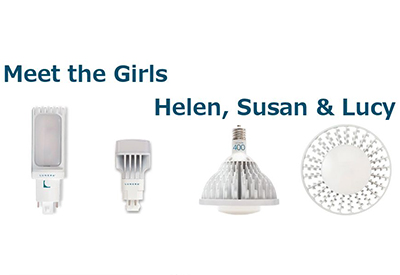
Our Helen lamps have gradually improved over three generations to now be compatible with 95%+ of Program Start Ballast, and 75%+ of the dimming ballast in the field.
Magnetic ballasts are 99% compatible with our Susan and Helen lamp lines of products. Plug-and-play LED products will most likely never cover 100% of the ballasts in the field, although Lunera and others will continue to improve compatibility over time.
Personally, I would always stick to the tried and tested products that have been available in the market for multiple generations. They are the ones that have found and dealt with the many ballasts in the field that you cannot buy on the shelf from the major ballast brands.
This is where many new entrants into plug-and-play lighting run into issues, only testing ballasts with their LED lamps that are commercially available today, when most of these buildings were built 5-10 years ago and have older ballasts.
Also, always ask the important question of how much design work has the company done versus are they just labelling a product from China?
The simplicity of plug-and-play LEDs
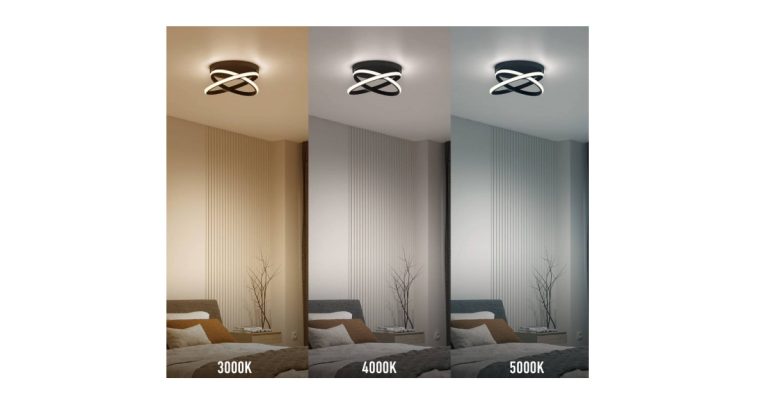
From a form factor, design, and light output perspective, it’s pretty simple. These lamps are PLUG-AND-PLAY, just try them. If they don’t work, the CEO doesn’t like the look, or the interior designer doesn’t like the Kelvin temperatures of the light output, plug the old technology back in!
As manufacturers, our goal is to make our lamps work well in as many applications as imaginable, to help as many customers as possible save energy and maintenance costs. However, no lamp will work perfectly all the time. We understand this.
Ultimately, whether you work for local electrical supply house, a major ESCO, a utility or manage a building, plug-and-play LEDs can save you money on your energy projects, reduce your overall carbon footprint, and get more kWh savings in a faster and easier manner. Do your research, find a strong LED partner, and plug in or screw in some energy-efficient LED Lamps.
Jim Colantoni, National Accounts, works with business leaders and their facility management teams to determine the most effective LED solutions for upgrading CFL, metal halide or high-pressure sodium lamps.
Find out more about Lunera: http://www.lunera.com.