Residential Energy Efficient Lighting and Controls: Global Market Analysis and Forecasts
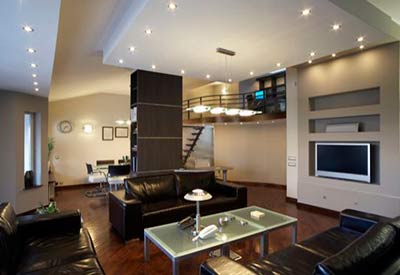
The global residential lighting market is on the verge of a major transformation. According to Navigant Research, global revenue associated with the installation of residential lighting controls is expected to grow from US$2.4 billion in 2014 to US$4.6 billion in 2023.
Extremely energy efficient light-emitting diode (LED) lamps are being adopted at an astonishing rate, while remote control of connected lights is on the cusp of becoming much more commonplace. Additionally, the movement to more all-encompassing home energy management (HEM) and home automation, of which smart lighting is a part, is steadily gathering pace.
While reducing electricity costs is an important driver for adopting energy efficient LEDs and controls, it is not the most important one. Increasingly, homeowners are being drawn to the range of new use cases that controllable and networked LEDs bring. The ability of these devices to communicate with other connected devices is likely to prove particularly popular as a way to increase comfort and convenience in the home while bringing about energy savings automatically.
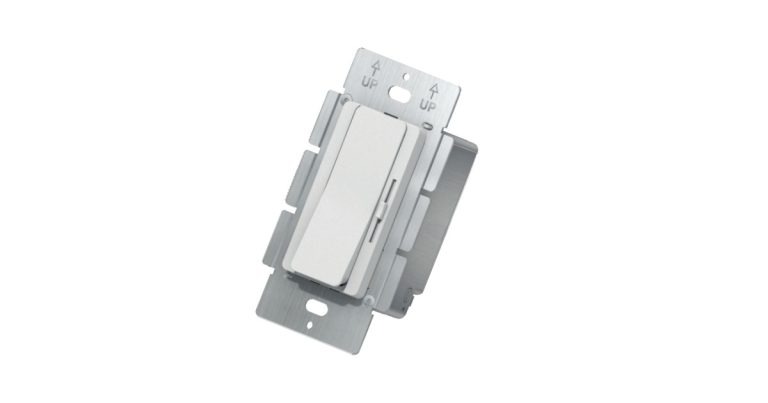
A report produced by Navigant, Residential Energy Efficient Lighting and Lighting Controls: Incandescent, Halogen, Fluorescent, and LED Luminaires and Lamps and Intelligent Controls — Global Market Analysis and Forecasts, analyzes the market for residential energy efficient lighting and lighting controls. The study focuses on LED lamps and luminaires, while also forecasting sales for three other lamp technologies (incandescent, halogen, and fluorescent) as well as a number of control devices, including occupancy sensors, photosensors, timers, dimmers, lighting-only networks, and HEM systems.
Global market forecasts for unit shipments and revenue, segmented by region, lamp type, product type, and building type, extend through 2023. The report also examines the key technologies related to residential energy efficient lighting and lighting controls, as well as the competitive landscape. Find out more: http://www.navigantresearch.com/research/residential-energy-efficient-lighting-and-lighting-controls.